Datarails vs. Planful

Planful makes planning painful.
Datarails powers finance.

Consultant-heavy setup, cube logic, and siloed modules don't close the books faster. Datarails delivers planning, consolidation, cash management, and reporting on one unified Excel-native platform

See Datarails in Action

Trusted by finance teams Join thousands of FP&A teams already using Datarails
Capability
datarails dark logo-1
Planful-logo-250x150
System architecture
✓ One unified platform
✗ Multiple legacy systems under one interface
Modeling Flexibility
✓ Fully flexible Excel modeling
✗ Structured OLAP cube modeling
Consolidation
✓ Automated multi-entity with eliminations and FX
✗ Consolidation within cube framework
Integration Coverage
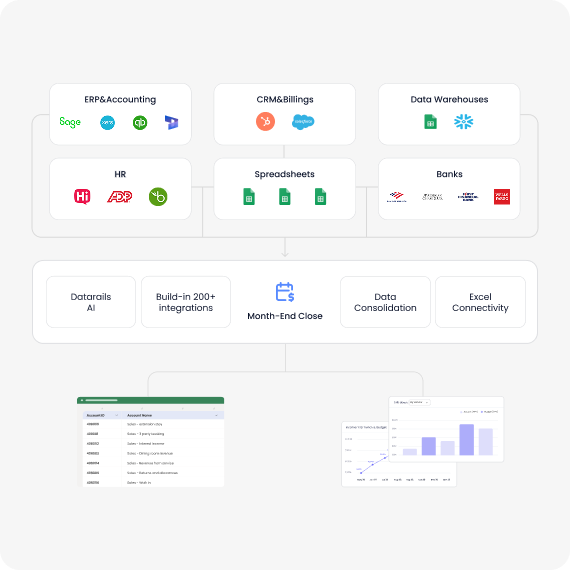
✓ Robust. Direct APIs managed in-house
✗ Limited. Middleware or connector dependent
Bank Connectivity
✓ Direct bank integrations
Cash Visibility and Management
✓ Real-time cash flow forecasting
✗ Dependent on ERP and manual uploads
Implementation ownership
✓ Fully in-house, finance-led
✗ Combined in-house and partner-led
Time to implement
✓ Typically live in weeks
✗ ~5 months depending on configuration and integrations
Cost trajectory
✓ Transparent, all inclusive
✗ Enterprise subscription plus consulting services

Planful looks comprehensive. Runs on consultants.

Planful is positioned as an enterprise performance management platform spanning planning, reporting, and consolidation. On paper, it looks comprehensive.

In practice, it combines multiple legacy technologies behind a single interface. Separate backend systems, cube logic, and siloed modules create administrative overhead and heavy reliance on consultants. Over time, managing dimensions, hierarchies, and workflows shifts from a finance responsibility to a specialist one. Your team loses ownership of the environment they depend on. 

Datarails delivers the same functional breadth inside one unified Excel native platform, so you can avoid stitching together separate systems behind the scenes.

Why Planful creates friction for finance

Cube logic limits flexibility

Planful relies on OLAP cube structures with predefined dimensions and hierarchies. As organizations grow, simple changes often require structural updates, forcing finance teams to adapt to platform constraints instead of modeling the business as it actually operates.

Modules don't always sync

Planning, reporting, and consolidation appear unified but run on separate backend technologies. Data must be synchronized across modules, adding extra publishing steps and creating version risk in everyday workflows.

Integration complexity and errors

Connecting finance systems through middleware or external connectors creates prolonged integration timelines, recurring errors, and package-based pricing that grows with every system you add.

Implementation can stretch for months

Planful deployments frequently involve partners, consultants, and long setup cycles. Finance teams can wait five months or more before models are fully operational.

Administration becomes a full-time job

Managing cube logic, hierarchies, and planning structures requires specialized expertise. Over time, ownership of the environment shifts away from finance toward system admins or external consultants.

Excel still fills the gaps

Finance teams still export data into spreadsheets to complete modeling or analysis before re-uploading results into Planful. When systems can’t handle real finance logic, Excel becomes the workaround.

Datarails: The platform finance actually owns

Build complex models without formula limits

Cube structures restrict advanced financial logic. Datarails keeps modeling fully native in Excel so teams can build multi-sheet models, layered formulas, and custom calculations without platform constraints.

See the full financial picture instantly

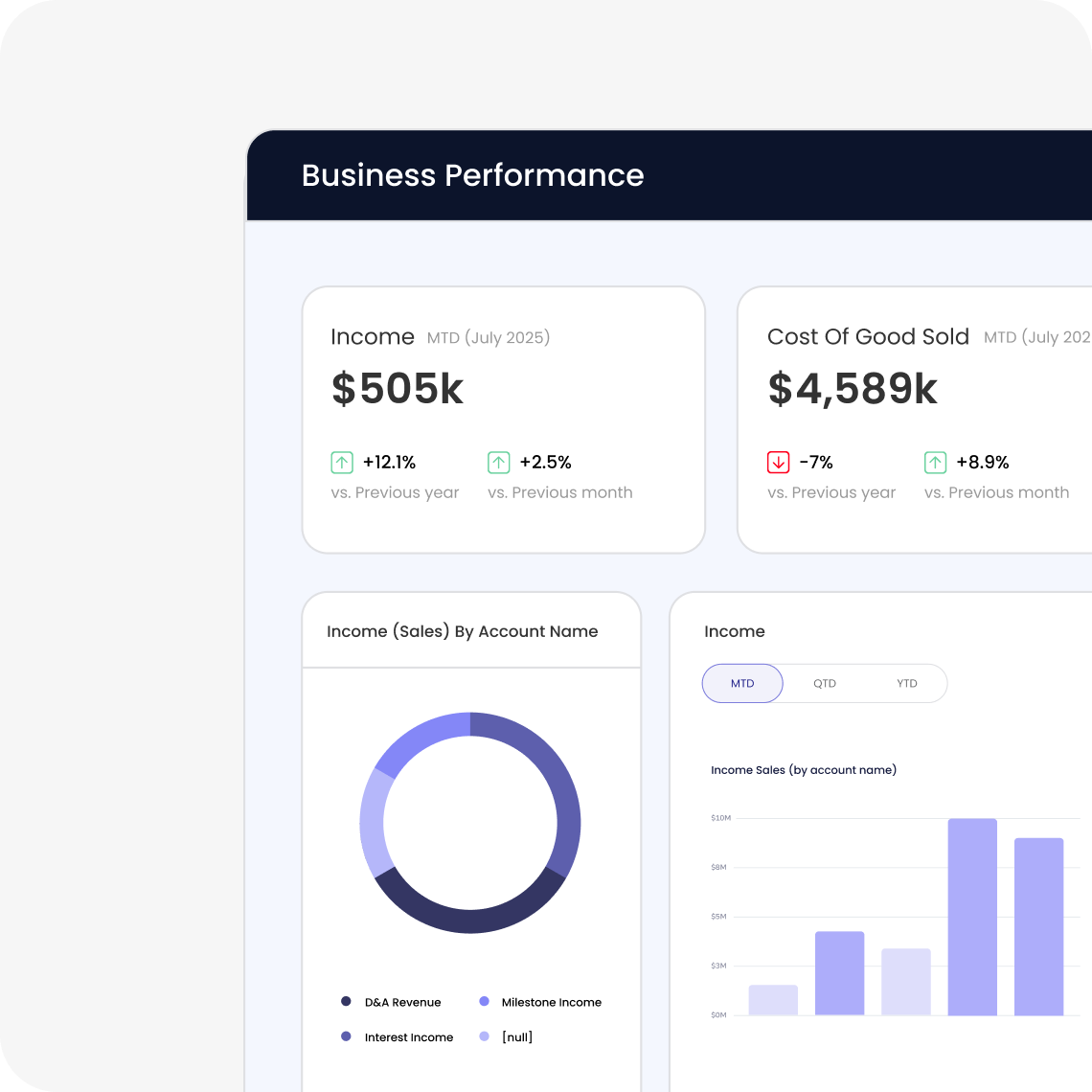
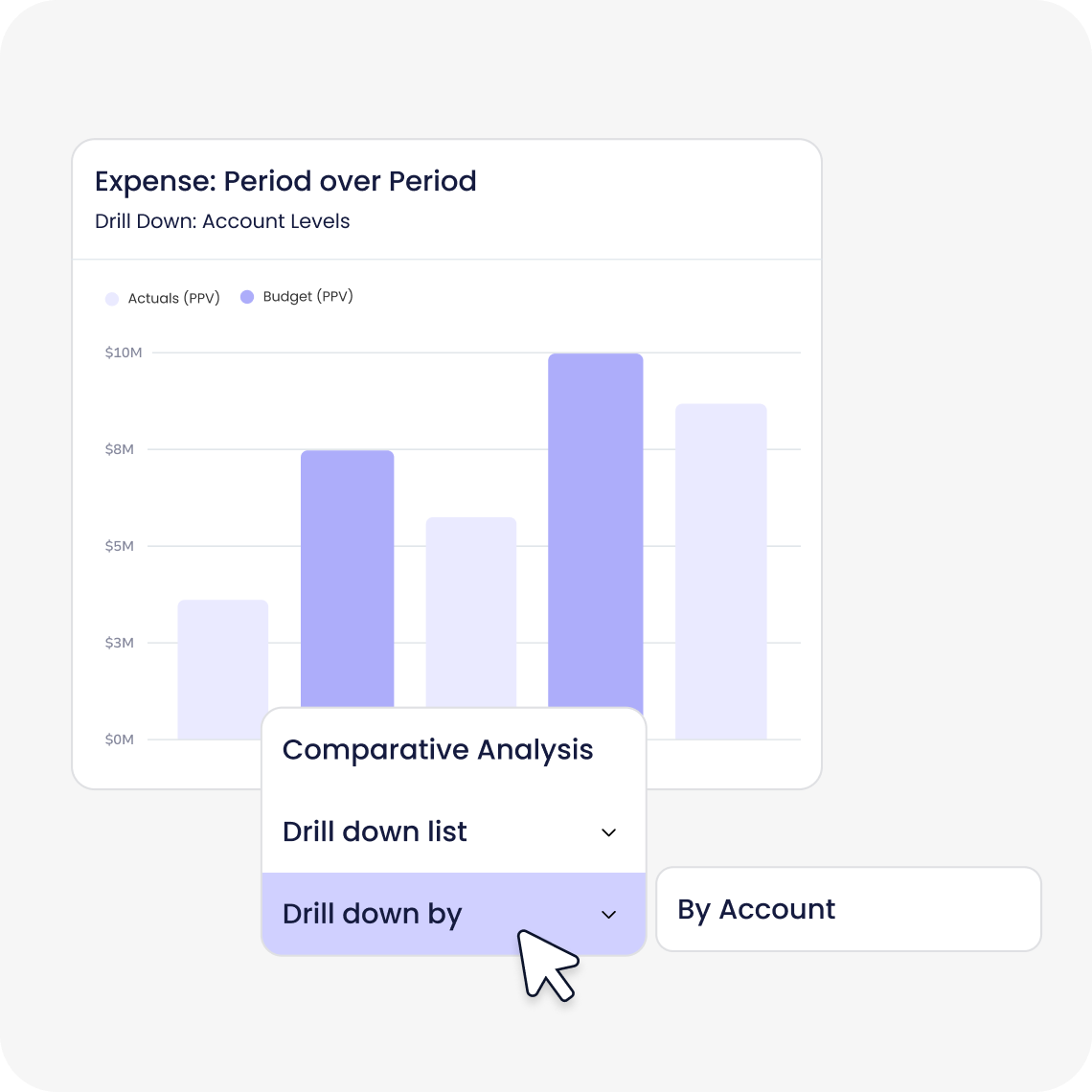
Finance leaders should not toggle between dashboards to understand performance. Datarails brings actuals, forecast, budget, and prior year together in one view so teams can analyze performance without assembling reports manually.

Consolidation and close across 600+ systems

Planful consolidates within its cube framework, creating dependency on the structure you set up at implementation. Datarails automates multi-entity consolidation with eliminations, FX translation, and audit trails across 600+ ERP and operational systems, simple to expand as your tech stack evolves.

No consultant dependency, ever

Planful's cube logic requires specialists to reconfigure dimensions, hierarchies, and workflows. With Datarails, finance teams own the environment completely. No cube administration, no consultant dependency. Just finance running faster.

Control access and workflows with precision

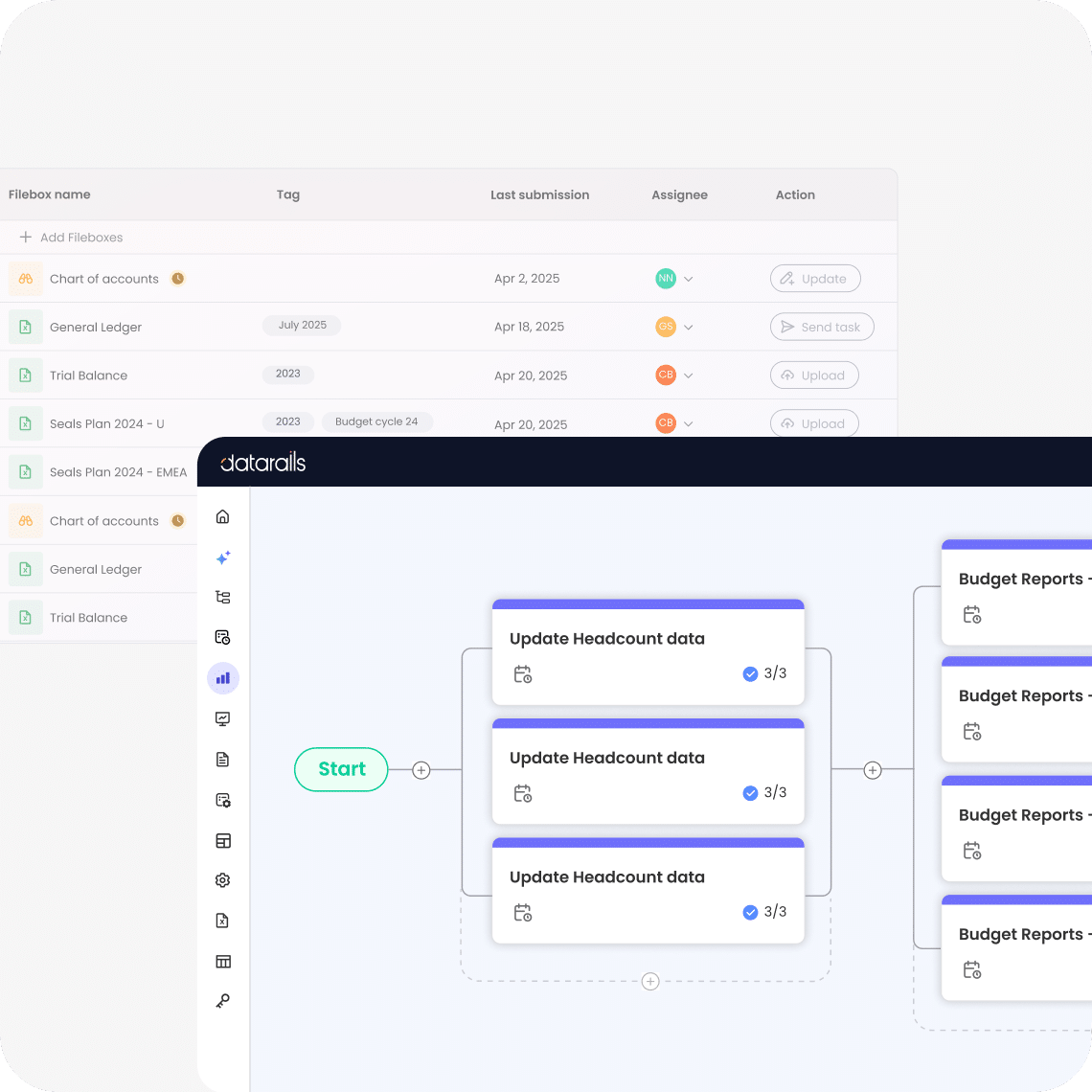
Basic access controls are not enough. Datarails provides granular permissions at the department and account level, along with built-in workflows to manage planning, approvals, and close processes. Everyone works from the right data while finance maintains full control.
Eliminate manual forecasting
Single source of truth
Model scenarios
Forecasting models
Collaborative workflows

Learn why finance teams choose Datarails

Badge Badge Badge Badge

Don’t just take our word for it

“I think choosing Datarails was the greatest decision ever for our company.”

composite-1600x900 (1)
Grace Li Origin Investments
cropped-favicon

“Thank goodness we went with Datarails, because there’s no way we’d be where we are as a team.”

Charlotte Kelly Head of FP&A, Butternut Box

“Datarails gives us a single source of truth. That kind of visibility changes everything.”

John Smith CFO, CDG

FAQ

Planful requires significant consultant involvement to implement, maintain, and update. Datarails gives finance teams full ownership of their models, consolidations, and reporting inside a single Excel-native platform. No cube administration, no specialist dependency, and live in weeks rather than months. 

Yes, and many customers do this for 1-2 cycles to ensure continuity. We’ll work with your team to create a phased migration plan that minimizes risk.

Because Datarails works natively in Excel, your existing models don't need to be rebuilt from scratch. Your team migrates into a familiar environment rather than recreating work inside a proprietary environment or learning a new platform syntax. Implementation is finance-led, and your data and logic come with you.

Planful is built on OLAP cube architecture, which requires specialized expertise to configure dimensions, hierarchies, and planning structures. Every meaningful change — adding an entity, restructuring a model, updating a workflow — often requires going back to a consultant. That dependency doesn't go away after implementation; it becomes part of the ongoing cost of running the platform. 

Yes. Datarails is designed to be fully finance-owned. Your team builds, edits, and updates models directly in Excel without needing IT involvement or platform specialists. Changes that would require a consultant in Planful take minutes in Datarails. And when you do need support, Datarails' onboarding and customer success teams are in-house and always available. No third-party partners, no support tickets routed through consultants. 

Datarails automates multi-entity consolidation with eliminations, FX translation, and audit trails across 600+ ERP and operational systems, all within a unified Excel-native platform. There is no cube structure to configure or maintain. Finance teams own the consolidation logic directly and can update it as the business changes. 


Planful's enterprise reputation is largely built around breadth of features, but much of that breadth depends on consultant configuration to unlock and maintain. Datarails covers the full CFO mandate across planning, consolidation, reporting, cash management, and dashboards, on a single platform that finance teams actually own and operate. For most teams, switching feels like gaining control, not losing capability. 

Ready to leave Planful behind?

Join 1,000+ finance teams who switched to Datarails for version control, workflow automation, and professional-grade visualizations.